 Get in Touch
Get a Quote

You can plan to track a leased or rental van with FleetTracker, provided the lessor or rental company agrees to the fitting and you know what happens to the unit when the contract ends. The tracking itself is not the hard part. The paperwork around the vehicle is.
- FleetTracker is Crystal Ball’s fleet tracking product, and vans are among the vehicles it is built to track.
- For a leased or rental van, get the lessor’s written consent before any fitting.
- Agree fitting and removal terms with Crystal Ball before you sign the quote.
- FleetTracker is quote-led, so there is no public price to compare.
- It adds live location, journey history, mileage and reports, but no camera footage.
Why this matters
A leased or rental van is not your asset in the way an owned van is. The lessor owns it, the contract sets the rules, and you are responsible for its condition and use. Fitting a tracker without checking those rules can create a dispute at hand-back.
Most businesses in this position want the same thing: know where the van is, prove where it has been, and keep mileage under control. If you run a mix of owned and leased vans, you also want one portal for all of them rather than a gap in your records.
The sections below give the direct answer, the checks that decide it, and the order to do them in. If you run leases at scale, the guide to fleet management software for van leasing companies covers the lessor side of the same question.
Can I track a leased or rental van with FleetTracker?
Yes, in principle. FleetTracker is Crystal Ball's tracking and fleet management product for cars, vans, HGVs and other fleet vehicles, and a leased or rental van is a van in your fleet. Whether you can fit it depends on your contract, not on the technology.
The caveat is cost and terms. FleetTracker is quote-led, so Crystal Ball sets no public price. Fitting arrangements, and what happens to the unit when the van goes back, are agreed in the quote. Confirm both in writing before the van is booked in.
This table shows what to settle for each ownership situation.
| Situation | Who decides | What to settle before fitting |
|---|---|---|
| Long-term lease | Lessor, under your lease agreement | Written consent, fitting method, removal at the end of the term |
| Contract hire with maintenance included | Lessor or the maintaining company | Whether fitting affects the maintenance arrangement |
| Short-term rental | Rental company | Whether any fitting is allowed at all, and the cost and time of fitting for a short period |
| Van you own outright | You | Nothing beyond the quote |
Verdict: FleetTracker suits a leased van well when the lessor consents in writing and the removal plan is agreed. It is a poor fit for a rental of a few days, where the setup effort outweighs the benefit.
Tracking a leased van with FleetTracker
A lease usually runs for a fixed term. That gives you time to get value from the data, and it makes the setup worth the effort.
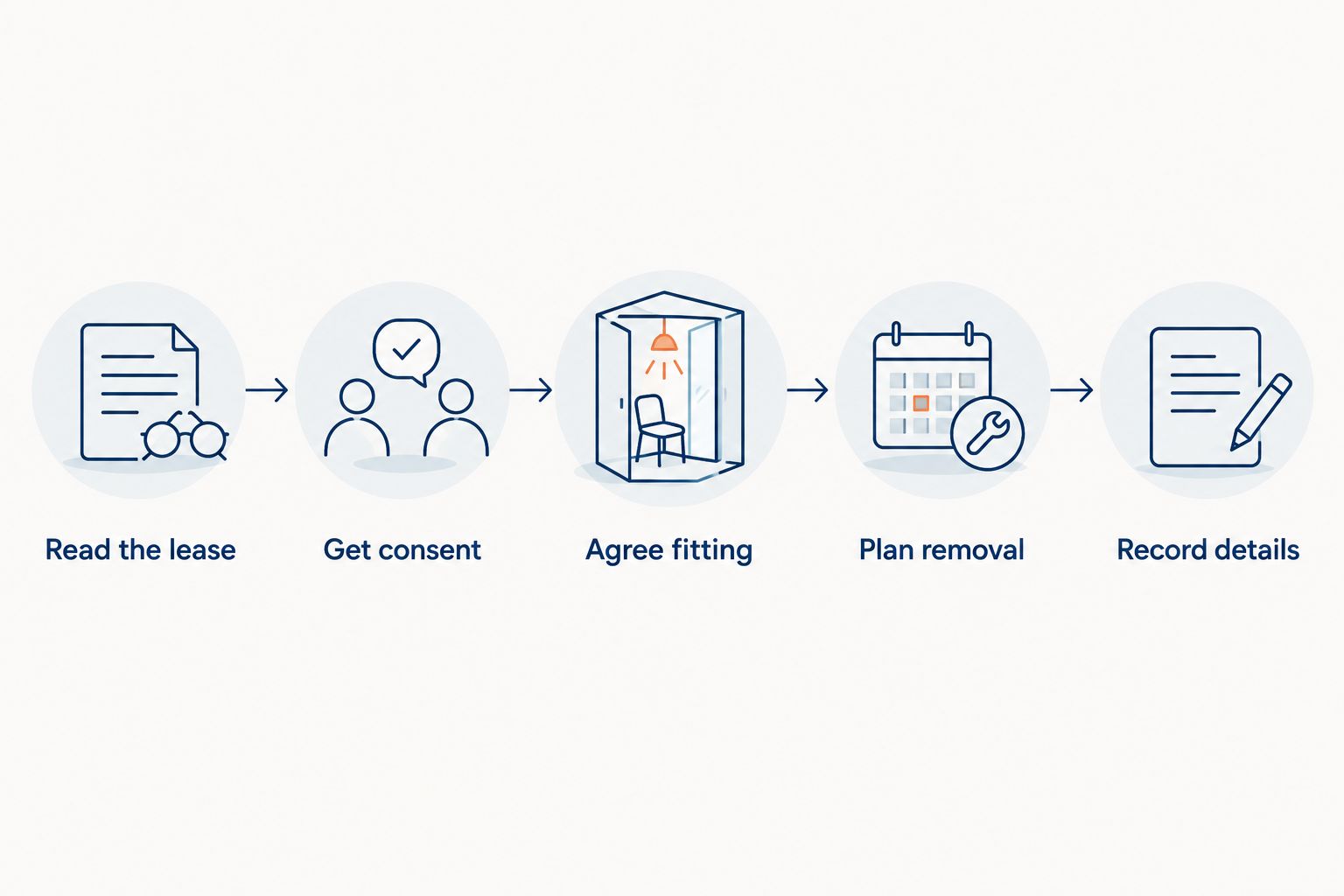
Work through these steps in order:
- Read the lease for clauses on modifications, additions and accessories.
- Ask the lessor for written consent to fit a tracking device.
- Ask Crystal Ball how the unit is fitted and what removal involves.
- Agree who arranges and pays for removal before hand-back.
- Record the fitting date and the vehicle details in your own files.
Step 2 matters most. Some lessors permit trackers readily and some have their own approved devices. Ask the question early, because the answer can change which provider you choose.
Once fitted, FleetTracker gives you the same functions it gives any vehicle in the fleet:
- Live GPS tracking and real-time location.
- Journey history and route playback.
- Geofencing and supported alerts, including speeding alerts.
- Mileage data and vehicle utilisation.
- Automatic Driver Recognition (ADR).
- Supported driver-behaviour information.
- Fleet-management portal, dashboards and scheduled reports.
Mileage data is especially useful on a lease. Leases often carry a mileage allowance, so a record of actual use helps you see how each van is running against its contract. Check the exact allowance in your own agreement.
Tracking a short-term rental van
Rental changes the maths. If you hire a van for a few days or weeks, the time and effort of fitting and removing a tracker can outweigh the benefit. Most rental companies also control their own vehicles and may refuse any fitting.
If you rent vans repeatedly or for months at a time, the picture is different. Ask the rental company first whether it permits fitting. If it does not, a tracker built into the rental company's own vehicles, or tracking offered by the rental company, is a more practical route.
If you are on the rental side of the business, the guide to the best vehicle tracking systems for van rental businesses covers what to look for when you own the vans and hire them out.
Why the answer varies
The same question gets different answers for different businesses. These factors decide it:
- Contract wording. Some leases forbid modifications. Some allow them with consent. Read yours.
- Lessor policy. Lessors may have approved suppliers or their own tracking.
- Contract length. A long lease justifies the setup. A short hire often does not.
- Removal terms. You need a plan for taking the unit out at the end.
- Fleet mix. A fleet that is part owned and part leased benefits most from one portal.
None of these is a technical barrier. Each is a question you can answer with a phone call or an email before you request a quote.
What does FleetTracker not do on a leased van?
FleetTracker does not provide camera footage, video telematics or digital vehicle checks. It tracks location, journeys, mileage and driver information. If you need recorded footage from a leased van, that is a separate product, SmartCam 4G, with its own fitting and lessor consent questions.
FleetTracker also does not replace the monitored security of a Thatcham-approved tracker. If the purpose is monitored theft protection, that is a different requirement and a different product. Keep the two needs apart when you speak to your lessor.
Do I need to tell drivers about tracking?
Yes. Tell drivers before the tracker goes live, and explain what is recorded and why. The ICO says you must tell workers about monitoring in a way that is accessible and easy to understand. Telling people early reduces friction and avoids disputes later. The guide on how to introduce GPS vehicle tracking to employees sets out a practical approach.
What happens to the data at the end of a lease?
Keep your own copy of the journey and mileage reports you need before the van goes back. Ask Crystal Ball, when you request the quote, how a vehicle that leaves the fleet is handled in the portal and how long its history stays available to you.
Can FleetTracker keep leased vans compliant?
It helps with records. FleetTracker's Asset Management bolt-on keeps track of vehicle maintenance schedules, MOT dates and other essential fleet information, which suits a mixed fleet where leased and owned vans sit side by side. It supports your processes and does not replace your legal duties as the operator or keeper. The page on FleetTracker MOT, insurance and licence monitoring explains how those records work.
A short checklist before you ask for a quote
- Do you have the lease agreement to hand, and have you read the modifications clause?
- Has the lessor or rental company confirmed consent in writing?
- Do you know the end date of the contract?
- Have you asked who arranges and pays for removal?
- Do you know how many vans are leased, rented or owned?
- Have you told drivers what tracking is for?
If you can answer all six, you are ready to ask Crystal Ball for a FleetTracker quote for the right number of vans. If you cannot, start with the lessor.
FAQ
Can I track a leased van with FleetTracker?
Yes, if your lessor consents to the fitting. FleetTracker tracks vans in a fleet, and the main step is getting written consent and agreeing removal terms before it is fitted.
Do I need my lessor’s permission to fit a tracker to a leased van?
Check your lease agreement, as it sets the rules. Many agreements restrict modifications, so ask for written consent before any fitting.
Can I track a short-term rental van?
Only if the rental company allows it, and it is rarely worth the setup for a short hire. For repeat or long rentals, ask the rental company first.
How much does FleetTracker cost for a leased van?
FleetTracker is quote-led, so there is no public price. Crystal Ball sets the cost and fitting terms in your quote.
Does FleetTracker record video on a leased van?
No. FleetTracker does not provide camera footage or video telematics. Recorded footage needs SmartCam 4G, which is a separate product.
Can I track leased and owned vans in one portal?
Yes. FleetTracker uses one fleet-management portal, so vans you own and vans you lease can sit in the same dashboards and reports.
What happens to the tracker when a lease ends?
Agree the removal arrangements with Crystal Ball and your lessor before fitting. Plan the removal before the hand-back date rather than at the last minute.
One last thing
Ask for the consent email before you ask for the quote. A written yes from the lessor takes a few minutes to request, and it turns a possible hand-back dispute into a settled matter. Everything else in the setup is easier once that is in your inbox.
Once the lessor has agreed in writing, request a quote for the number of vans you need to track.
Explore the relevant Crystal Ball solution

Crystal Ball FleetTracker
Live vehicle location, journey history, geofences, supported alerts, mileage, utilisation and fleet records.
Related guides