 Get in Touch
Get a Quote

London taxi and PHV fleet managers use this checklist to confirm a TfL-approved dash cam meets current Transport for London licensing rules before it goes anywhere near a windscreen in 2026, and to avoid the wasted cost of fitting a camera that fails a compliance check.
- A TfL-approved dash cam buying checklist starts with confirming current approval status directly with Transport for London, not with the seller’s marketing page.
- Approval, recording specification, installation and footage access are four separate checks: passing one does not mean the others are covered.
- Crystal Ball’s TfL-approved dash cam is a distinct product from SmartCam 4G and the 360 Camera System, built for licensed vehicle compliance rather than general fleet CCTV.
- Fleets running a mix of licensed and non-licensed vehicles in 2026 usually need more than one camera product, not one camera fitted everywhere.
Why this matters
A TfL-approved dash cam is not optional kit for licensed London taxi and private hire vehicle (PHV) fleets. It sits inside the Conditions of Fitness that Transport for London attaches to vehicle licensing, and getting it wrong can hold up a licence renewal or leave a vehicle unable to work.
The risk for fleet managers is buying on assumption. A camera that records well, looks professional and costs the right amount is still the wrong purchase if its TfL approval has lapsed, if it was never approved for the vehicle category in question, or if the installer cannot sign off the fitting correctly. Getting this checklist right once, before the vehicle goes anywhere, is cheaper than re-fitting a second camera after a failed inspection in 2026.
The TfL-approved dash cam buying checklist
Work through these steps in order. Each one closes a specific gap that catches out fleets buying their first TfL-approved dash cam, or replacing an ageing one.
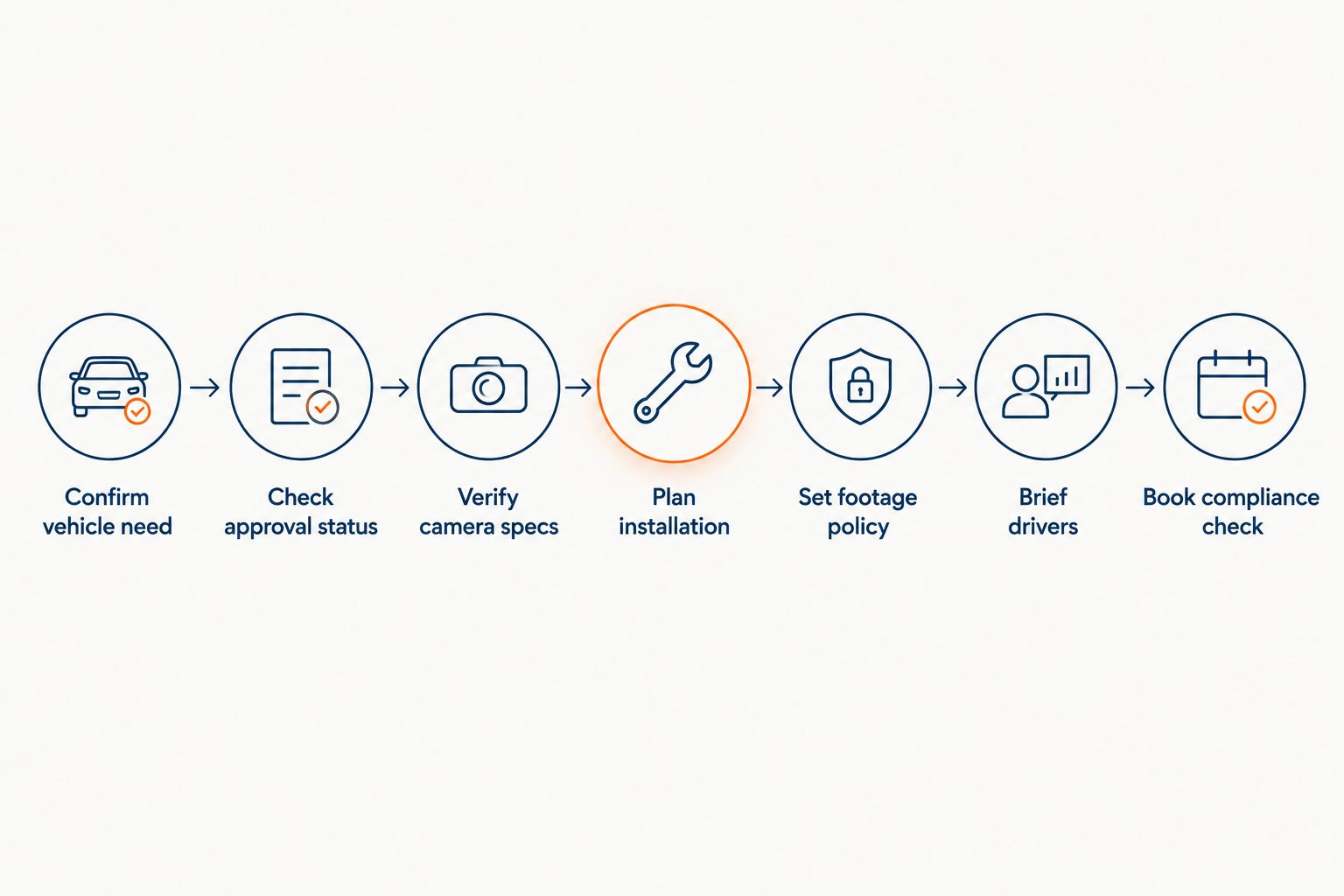
Confirm which vehicles actually need one
Not every vehicle in a mixed fleet needs a TfL-approved camera. Start by separating licensed London taxi and PHV vehicles from the rest of the fleet.
- List every vehicle currently licensed, or due to be licensed, with Transport for London.
- Check the vehicle category against current TfL Conditions of Fitness rather than a previous year's paperwork.
- Flag any vehicle changing use in 2026, such as a car moving from private mileage to PHV work.
- Separate this list from vans, pool cars and other vehicles that fall under general fleet camera policy instead.
- Note renewal dates so the camera check lines up with the licensing timetable, not after it.
Check the camera's current TfL approval status
Approval status is not permanent and it is not the same as the camera being a good dash cam. Verify it directly rather than trusting a product description from two or three years ago.
- Check the current approval listing on Transport for London's own licensing pages before ordering.
- Ask the seller to confirm the exact model and firmware version that holds current approval, not a similar model in the same range.
- Get written confirmation of approval status and date checked, not a verbal assurance.
- Repeat this check before every bulk order, since approvals can be reviewed or withdrawn.
- Cross reference the TfL-approved dash cam quote checklist before requesting pricing, so the quote reflects the correct approved model.
Verify recording, audio and coverage meet requirements
A dash cam can be well reviewed and still miss a specific TfL requirement on recording quality, in-cab audio or camera positioning. Confirm the current specification rather than assuming every 4G dash cam qualifies.
- Confirm the required camera views for the vehicle category, since taxi and PHV requirements are not identical.
- Check current audio recording rules for the vehicle type, including any passenger consent requirements.
- Verify footage resolution and frame rate against the current TfL specification, not an outdated one.
- Ask whether the approved unit records continuously or on trigger events, and whether that matches what your licence conditions expect.
- Confirm data security requirements are met, including how footage is stored and who can access it.
Plan installation and licensing paperwork together
Installation is where compliance checklists most often fail in practice. A correctly approved camera fitted incorrectly, or fitted by someone who cannot issue the right paperwork, still fails a check.
- Confirm the installer can issue the fitting certificate or documentation TfL expects to see at inspection.
- Book installation with enough lead time before a licence renewal date, not the week before.
- Ask what happens if the vehicle fails inspection after fitting, and who resolves it.
- Check whether the installer works with your specific vehicle model, since cab layouts vary between taxi and PHV vehicles.
- Read the full list of questions to ask a TfL-approved dash cam installer before booking, so nothing gets missed on the day.
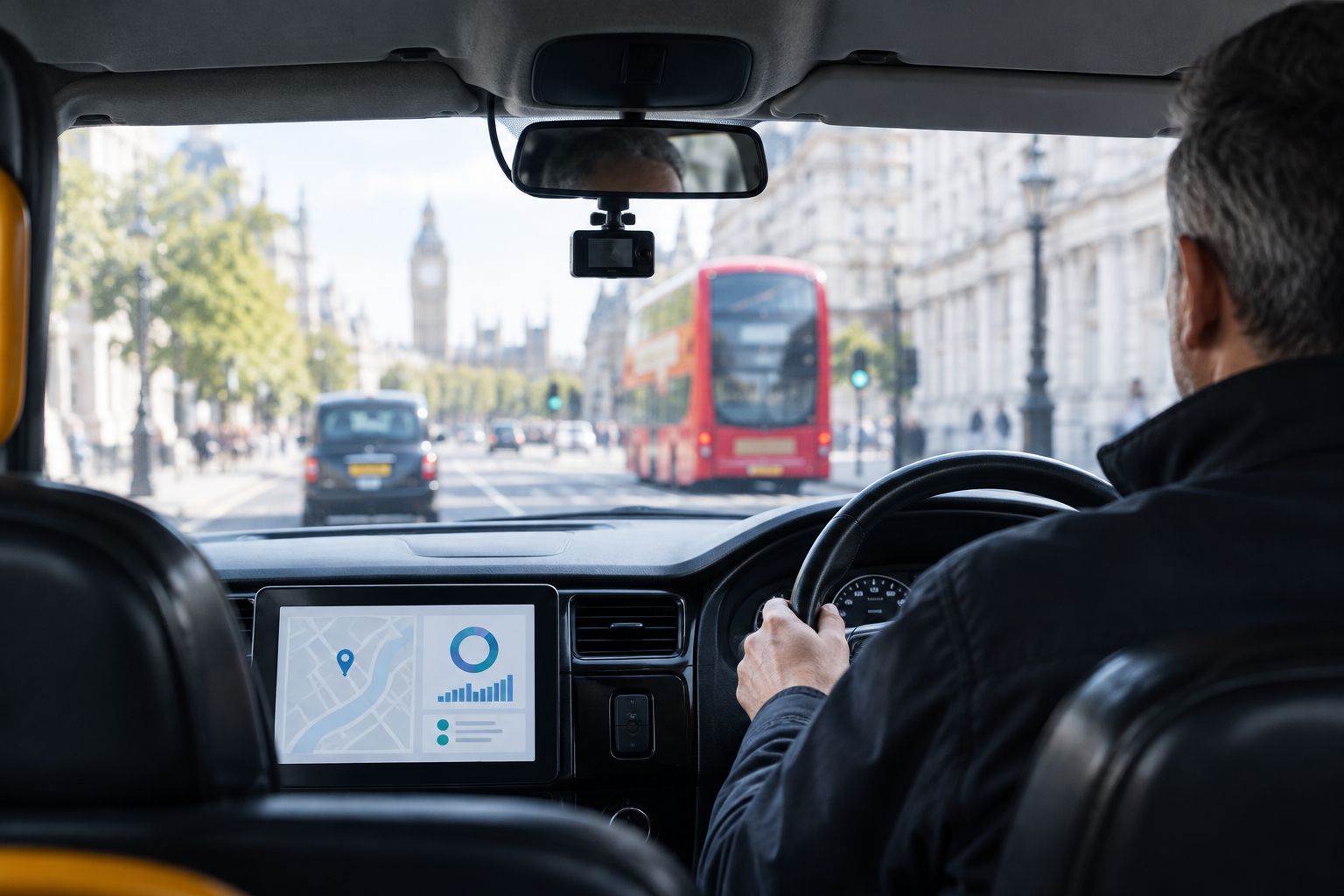
Set a footage access and data protection policy
Footage from a TfL-approved dash cam involves passengers, not just drivers, which raises data protection questions a general fleet dash cam policy will not answer on its own.
- Write down who inside the business can request and view footage, and under what circumstances.
- Confirm how a passenger can request footage relating to them, since this differs from a standard fleet driver policy.
- Check current retention practice with the camera provider rather than assuming a fixed legal retention period, since UK law does not set one universal figure for dash cam footage.
- Review the footage access process before go-live, so drivers and office staff know the actual steps involved.
- Keep a record of any footage requests and how they were handled, for your own audit trail.
Brief drivers before the camera goes live
Drivers who understand why the camera exists cause fewer disputes later, particularly when a passenger asks a question about being recorded.
- Explain the licensing reason for the camera, not just the security benefit.
- Give drivers a simple, accurate answer for passengers who ask whether they are being recorded.
- Confirm what drivers should do if the camera stops recording or shows a fault.
- Set out who to contact if a driver believes footage is needed after an incident.
- Reinforce that removing, covering or tampering with an approved camera can affect licence compliance.
Book a compliance check before renewal, not during it
The final step is proving the whole checklist worked, ahead of the date Transport for London actually checks it.
- Schedule an internal check of camera, wiring and signage at least a few weeks before the licence renewal window in 2026.
- Re-confirm approval status one more time immediately before the renewal appointment.
- Keep fitting certificates and approval evidence together in one file per vehicle.
- Fix any fault immediately rather than waiting for the renewal date to arrive.
Comparing your options
Fleets researching a TfL-approved dash cam often end up looking at several camera products at once. They are not interchangeable, and using the wrong one for the wrong vehicle is the most common mistake in this category.
| Option | Best for | Key limitation |
|---|---|---|
| Crystal Ball TfL-approved dash cam | Licensed London taxi and PHV vehicles needing current TfL compliance | Built for the approved licensing use case, not general fleet video telematics |
| Crystal Ball SmartCam 4G | Non-licensed vans and cars needing video telematics, driver behaviour data and on-demand footage | Does not carry TfL approval and is a separate product category |
| Crystal Ball 360 Camera System | Commercial vehicles needing multi-camera, all-round visibility | Does not by itself establish TfL or DVS compliance |
| DVS Kit | HGVs needing a Direct Vision Standard safety permit in Greater London | Answers a separate compliance requirement to licensed taxi and PHV camera rules |
A licensed London taxi or PHV vehicle needs the TfL-approved dash cam specifically, not a general 4G fleet dash cam, however good the general camera is. Fleets running a mixed operation, licensed vehicles alongside vans or company cars, usually end up with more than one Crystal Ball product rather than one camera fitted across every vehicle.
Common mistakes London taxi and PHV fleets make
- Assuming a good 4G dash cam is automatically TfL approved. Recording quality and TfL approval are two separate questions, and only one of them is checked at the roadside.
- Checking approval once and never again. Approval status can change, and a camera that passed inspection in a previous licensing cycle is not guaranteed to still be listed as approved in 2026.
- Treating installation as a formality. A correctly approved camera fitted without the right documentation still fails a compliance check.
- Leaving the compliance check until renewal week. This leaves no time to fix a fault, order a replacement part or rebook an installer.
- Fitting the same camera across the whole fleet regardless of licensing status. Vans and non-licensed cars are usually better served by SmartCam 4G, not a TfL-approved unit built for a different requirement.
FAQ
What is a TfL-approved dash cam?
A TfL-approved dash cam is a camera system that meets Transport for London’s current licensing requirements for London taxis and private hire vehicles. Approval status should always be checked directly with Transport for London rather than assumed from a product listing.
Do all London taxis and PHVs need a TfL-approved dash cam?
Requirements depend on the vehicle’s current licence category and Transport for London’s Conditions of Fitness, so this needs checking against current TfL guidance for the specific vehicle. Fleet managers should confirm this per vehicle rather than assuming one rule covers the whole fleet.
How do I check if a dash cam is TfL approved?
Check the current approval listing on Transport for London’s own licensing pages, and ask the seller to confirm the exact model and firmware version covered by that approval. A camera range being approved does not mean every model or version within it holds current approval.
Is a TfL-approved dash cam the same as a general fleet dash cam?
No. A TfL-approved dash cam is built for licensed taxi and PHV compliance, while a product like Crystal Ball’s SmartCam 4G is built for general fleet video telematics and driver behaviour monitoring. They serve different vehicles and different requirements.
Who can install a TfL-approved dash cam?
Installation should be carried out by an installer who can issue the fitting documentation Transport for London expects to see at inspection. Confirm this before booking rather than after the camera is already fitted.
How long does TfL-approved dash cam footage need to be kept?
UK law does not set one universal retention period for dash cam footage, so retention practice should be confirmed directly with the camera provider. Fleet managers should put this in writing as part of their own footage access policy.
Can a TfL-approved dash cam double as a general safety camera?
It can support general safety and evidence purposes, but it is not a substitute for SmartCam 4G’s video telematics or driver behaviour features. The two products are built for different jobs even when fitted in the same vehicle type.
What happens if my dash cam’s TfL approval lapses?
A vehicle running a camera without current approval risks failing a compliance check or licence renewal, so approval status should be re-checked before every renewal cycle. Rechecking directly with Transport for London is the only reliable way to confirm current status.
One last thing
The most overlooked step on this checklist is not the camera purchase, it is the paperwork trail behind it. Fleets that keep fitting certificates, approval confirmations and footage policy documents together in one file per vehicle move through licence renewal faster in 2026 than fleets holding the same compliant equipment with no record to show for it.
Need help confirming which Crystal Ball camera is currently TfL approved for your fleet? Contact Us before you order.
Explore the relevant Crystal Ball solution
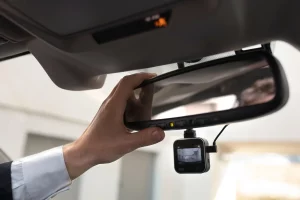
Crystal Ball TfL-Approved Camera System
Confirm the exact camera model, approved category, fitting and access process before installation.
PRICE PROVIDED BY QUOTE
Related guides